Sealed boxes, singles or repacks: what's the right way to buy UK football cards?
When you start collecting UK football cards, one of the first decisions you face is how to actually buy them. The main options are sealed boxes, individual single cards, and repacks. Each approach changes what you pay, what you get, and how much risk you take on. There is no single correct answer - the best choice depends on your budget, your goal, and how much surprise you want in the process.
Understanding the difference between these three formats helps you avoid wasted money and disappointment. Whether you are after a specific player, building a complete set, or just enjoying the thrill of opening packs, knowing when to pick one method over another saves you time and keeps your collection on track. Many newcomers jump into one route without thinking about the trade-offs, and that often leads to frustration later. This article lays out what each option involves so you can make an informed decision.
Sealed boxes: the full experience
A sealed box is exactly what it sounds like - a factory-sealed box containing a fixed number of packs from a particular release. Brands such as Topps, Panini and other licenced producers ship these boxes wrapped in cellophane, and the packs inside are untouched. Buying a sealed box guarantees that every card inside comes from that specific set, and nobody has picked through it first.
The biggest advantage of sealed boxes is the pure opening experience. You get the same randomness that the manufacturer intended, and every pack carries the same chance of a rare hit. For collectors who enjoy the ritual of opening packs and the suspense of not knowing what is inside, nothing else matches it. Sealed boxes also hold their value if kept unopened, so some people buy them as an investment rather than opening them at all.
On the downside, sealed boxes are expensive. The price reflects the guaranteed contents, the brand name, and the potential for high-value cards inside. You are paying for the chance at something good, but there is no guarantee you will pull a card worth more than the box cost. If you are only after one or two specific players, a sealed box is almost certainly the wrong choice. You will end up with dozens of cards you do not want, and the one you are hunting may not even appear.
Condition is also a factor. Because sealed boxes are untouched, the cards inside are generally in pristine condition straight from the factory. However, storage matters - if a box has been kept in a hot or damp place, the cards can warp or stick together. Always check the seller's reputation and ask about storage conditions when buying sealed boxes from a secondary market.
Single cards: targeted and efficient
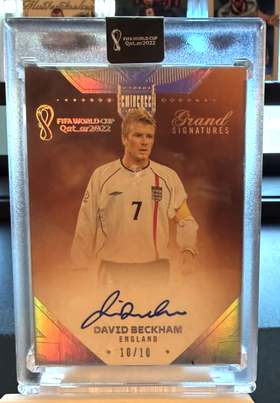
Single cards are exactly what the name says - individual cards bought one at a time. This is the most direct way to get the card you want. If you need a specific player, a particular parallel, or a card to complete a set, buying singles is almost always cheaper and faster than trying to pull it from packs.
The main benefit is control. You decide exactly which card to buy, you see the exact condition before you pay, and you avoid the randomness of sealed products. For collectors who care about building complete checklists or owning high-grade copies of their favourite players, singles are the obvious path. They also keep your spending predictable - you know the cost upfront and there is no gamble involved.
Condition is more variable with singles. A card listed as "near mint" from one seller might look different from another seller's idea of the same grade. Always examine photos carefully and ask about surface scratches, corner wear, and centring. If you are buying online, factor in the cost of shipping as well. Buying several singles from the same seller can spread that cost, but a single cheap card can become expensive once postage is added.
Singles are also the best option if you are working to a tight budget. Instead of spending a large sum on a sealed box and hoping for a hit, you can put that same money toward one or two guaranteed high-quality cards that you actually want. For many collectors, this is the most satisfying approach because every purchase adds directly to their collection.
Repacks: a middle ground with caveats
Repacks are packs or boxes that someone else has assembled, typically from leftover cards, opened products, or excess inventory. They are not factory-sealed. A repack might contain a mix of commons, uncommons, and a few promised hits, but the contents are curated by the seller rather than the original manufacturer.
Repacks appeal to collectors who want the thrill of opening something without paying full sealed-box prices. They can be a fun way to get a variety of cards for a low cost, especially if you are just starting out and want to grow your collection quickly. Some repacks guarantee a certain number of rare or valuable cards, which can make them feel like a safer bet than a sealed box.
However, repacks come with real risks. Because the contents are selected by someone else, there is no guarantee of fairness. A repack could be filled with cards that are hard to move, damaged, or from sets that nobody wants. The promised "hit" might be a card that is technically rare but has low market value. You are relying entirely on the honesty and judgement of the person who assembled the pack.
Another concern is resealed packaging. Some unscrupulous sellers have been known to take cards out of repacks and replace them with lower-value ones before resealing. If you buy repacks, stick to sellers with a track record of transparency - those who show live openings, share their packing process, or have a community that vouches for them. Even then, treat repacks as entertainment first and a value proposition second. If you are looking for a guaranteed return on your money, repacks are not the way to go.
For collectors who enjoy the social aspect of the hobby, repacks sold through live streams or events can be a lot of fun. You watch the pack being opened in real time, you see what you get, and there is often a sense of community around the process. That experience alone can be worth the price, but do not confuse it with the certainty of singles or the factory-fresh guarantee of sealed boxes.
When to choose each option
There is no universal best choice, but certain situations lean toward one format over the others. If you are new to UK football cards and want to explore a set without spending too much, a repack can give you a broad sample of cards for a small investment. It is a low-commitment way to see what is out there and learn what you like.
If you have identified a specific player or card you want, buy singles. This is especially true for higher-value targets. The money you save by not chasing that card through packs will often let you buy two or three other cards you also want. Singles are also the right choice if card condition is your top priority, because you can inspect each card before committing.
Sealed boxes make sense when you want the full opening experience, when you are looking for a gift, or when you plan to keep the box sealed as a long-term hold. They are also the best option if you want to pull cards yourself and see what you get, without anyone else having handled them first. Just go in knowing that the price includes a premium for the chance at something rare, and that chance may not pay off.
If you feel stuck and want some guidance, look for resources that offer help choosing football card products. Many experienced collectors share breakdowns of how they decide between sealed, single and repack purchases based on their current goals. That kind of practical advice can save you from making expensive mistakes early on.
Another good habit is to set a budget before you start. Decide how much you are willing to spend on sealed packs for fun, how much you will reserve for singles to fill gaps in your collection, and whether repacks fit into that plan. Sticking to that division keeps your spending under control and makes sure you always have something to show for your money.
For collectors who buy regularly, it helps to keep a wishlist. When you see a card you want, add it to the list rather than buying it immediately. Over time you will notice patterns - maybe you keep buying singles of the same player, or you realise that you prefer the rush of sealed boxes. That self-awareness makes future decisions easier and reduces impulse spending.
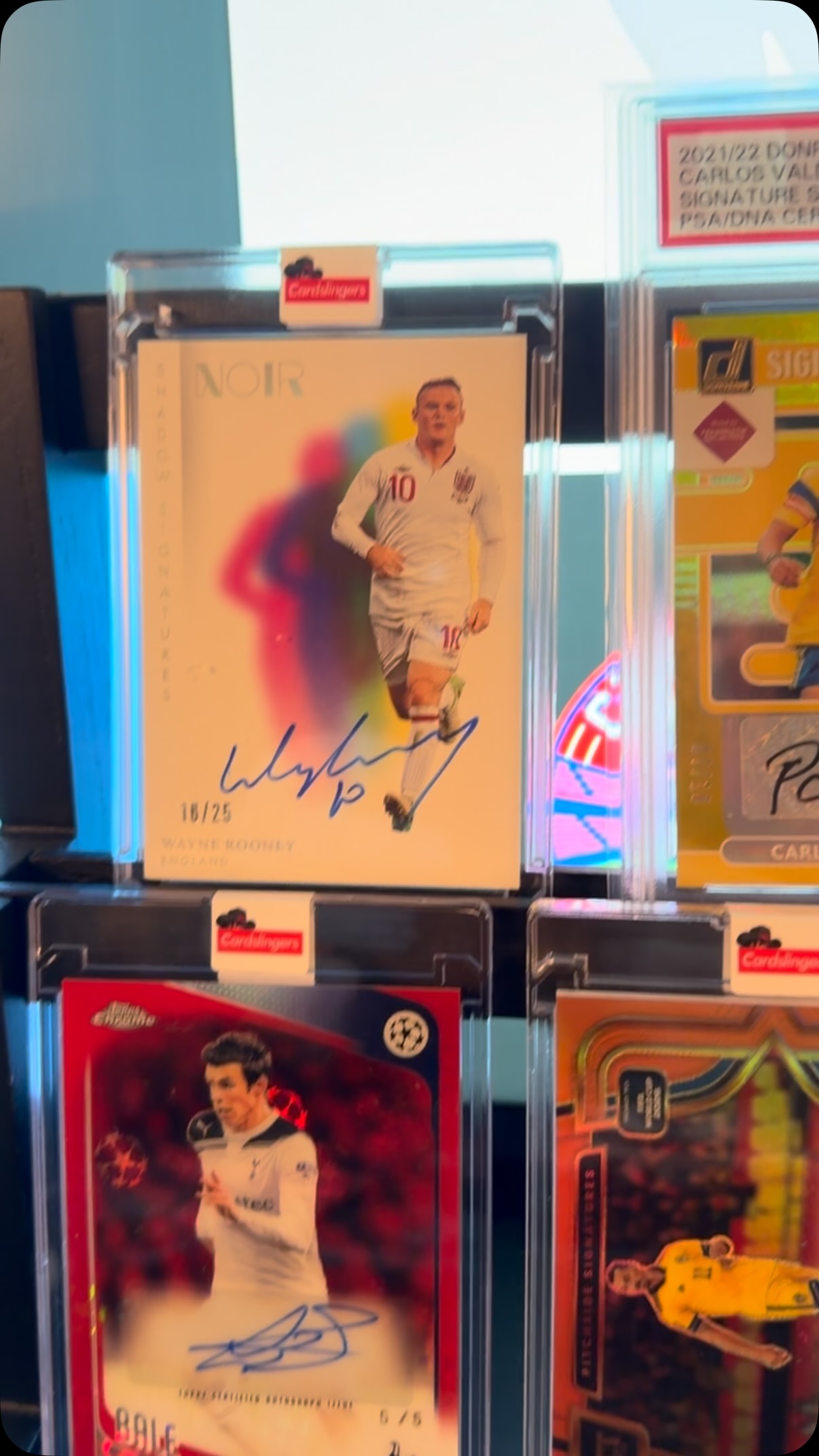
If you are still unsure, the best move is to start small. Buy a few singles of players you like, pick up one sealed box of a set that interests you, and try a repack from a seller with a good reputation. After that, you will have first-hand experience of how each format feels and what it delivers. From there, you can adjust your approach based on what you enjoyed most.
Ultimately, there is no wrong way to collect as long as you are spending within your means and having fun. The key is knowing what you are paying for. A sealed box buys you randomness and a factory-fresh experience. A single buys you certainty and condition control. A repack buys you surprise and variety at a lower price point, but with less predictability. Each has its place, and most collectors move between all three depending on the situation.
If you are looking for more detailed advice, many collecting communities and forums offer help choosing football card products based on real experiences. Learning from what others have tried - and what they regretted - can give you a much clearer picture before you spend your own money. The more you understand about each buying method, the better your collection will reflect what you actually want.